Strengthening Civil Society Engagement for a Just and Sustainable Urbanization (SCEJU)

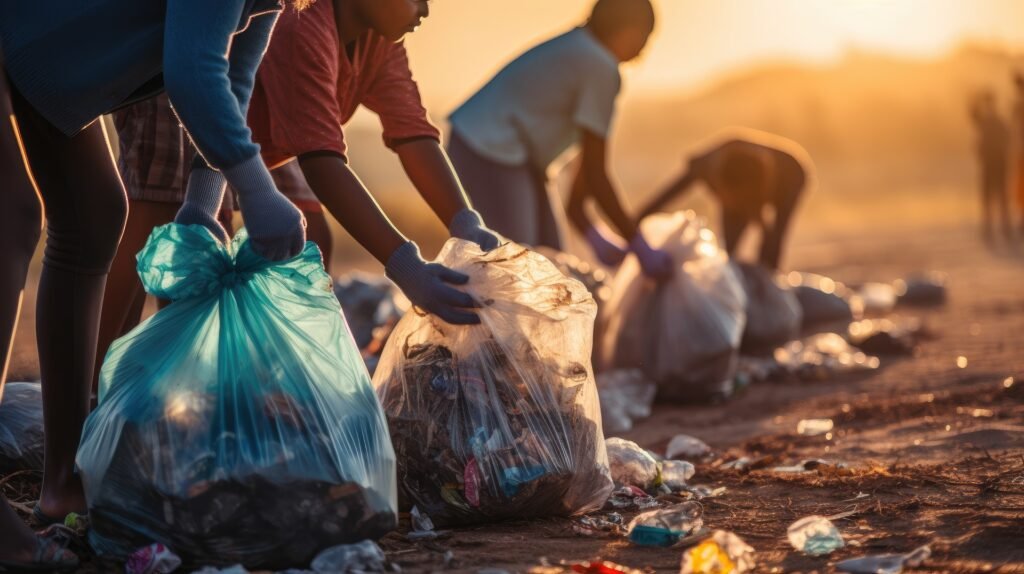
Residents of informal settlements face challenges related to Sustainable Water & Waste Management despite constitutional guarantees. Youth and women living in these settlements bear the brunt but they lack the capacity and voice to influence policy in their favor.

Strengthening Civil Society Engagement for a Just and Sustainable Urbanization.

The Strengthening Civil Society Engagement for a Just and Sustainable Urbanization (SCEJU) project is a three-year action (2024-2027) Co-funded by the European Union and implemented by FriedrichEbert-Stiftung (FES-Kenya), the Civil Society Urban Development Platform (CSUDP), and the Pan African Climate Justice Alliance (PACJA). Targeting Kisumu, Nakuru and Makueni counties, the project aims to address persistent challenges that threaten sustainable water and waste management amongst the vulnerable urban communities, particularly women and youth.

Youth
0
Women
0

6

Government Departments

Project Rationale & Objective

Rationale

Residents of informal settlements face challenges related to Sustainable Water & Waste Management despite constitutional guarantees. Youth and women living in these settlements bear the brunt but they lack the capacity and voice to influence policy in their favor..

Objective

The project’s main objectives is to; Strengthen responsive, inclusive, participatory and representative governance in matters of sustainable waste management and climate justice across Makueni, Kisumu, and Nakuru Counties. .

Challenge 1 - Policy

Lack of policies favorable to informal settlements and poor implementation of existing policies have resulted in the exclusion of informal settlements.

Challenge 2 - Capacity

Women and youth who are a majority of informal settlement residents lack the necessary capacities and facilitation to strengthen their voices and influence the policy decision-making process.

Challenge 3 - Voice

Limited awareness and civic engagement on the impact of climate change on SWWM.

The Project in Brief

To address the challenges of sustainable water and waste management in informal settlements, the project will focus on three main areas: policy, capacities, and voice.

Featured Online Course

This comprehensive online course provides insights into the principles and practices of sustainable waste management as well as sustainable water management.

Informal Water & Waste Management actors

LEGAL & REGULATORY FRAMEWORK FOR WASTE...

Focused on effective waste management which involves strategies to reduce, reuse and recycle waste.

Informal Water & Waste Management actors

Institutional Framework and Relationships

Ensures availability, quality and equitable distribution of water resources for the current and future generation.

Target Groups

This course seeks to enhance knowledge, develop practical skills and sustainable change in  communities.

4,500 youth and 6,000 women

are being trained to promote decent work and build climate resilience.

3,000 YOSUDA members

(Young Sustainable
Urbanization Digital Activists) members are actively advocating and participating in decision-making on sustainable water and waste management (SWWM).

JSUP

a civil society-led platform, aims to unify voices, reduce duplication, enhance influence, and provide
sustainable solutions for SWWM in informal settlements.

national & county government departments

Six national and county government departments are working to improve
institutional coherence, engagement, and compliance with SWWM policies and citizens’ demands.

We are the future

It is fundamental that we emphasize the importance of adopting sustainable waste management practices for a healthier planet 

The greatest threat to our planet is the belief that someone will save it.

Esther Kanja
Sustainable waste management is key to a cleaner tomorrow.

B. Thuranira
Small steps in waste management leads to giant leaps for the planet

Akoth Okello

ABOUT SCEJU

Frequently Asked Questions

This section seeks to answer key questions about waste management and sustainable water management. 

SCEJU stands for Strengthening Civil Society Engagement for a Just and Sustainable Urbanization. It is a three-year initiative co-funded by the European Union, implemented by Friedrich-Ebert-Stiftung (FES-Kenya), the Civil Society Urban Development Platform (CSUDP), and the Pan African Climate Justice Alliance (PACJA). The project focuses on empowering civil society, youth, and women to engage in sustainable urban development and climate-responsive water and waste management in Kenya’s informal settlements. 

SCEJU aims to enhance the capacity of civil society actors to influence urban policy and drive action on climate justice, particularly in the areas of water and waste management. The broader goal is to contribute to inclusive, just, and climate-resilient urban development in Kenya. 

The project is active in Kisumu, Nakuru, and Makueni Counties—urban areas with significant informal settlements where water and waste infrastructure challenges intersect with climate vulnerabilities. 

  • TG1: Informal water actors (e.g., water vendors, kiosk operators) 
  • TG2: Informal waste actors (e.g., waste pickers, recyclers) 
  • TG3: Youth and women in informal settlements 
  • TG4: County-level civil society organizations 
  • TG5: National and county government officials involved in urban planning and environmental management 

. 

SCEJU implements a range of activities under four primary outputs: 

  1. Capacity Building – through e-learning platforms, Training of Trainers (ToTs), and technical workshops. 
  1. Policy Dialogue & Engagement – enabling civil society to participate in county planning processes. 
  1. Financial Support to Third Parties (FSTP) – small grants and mentorship for community-based organizations. 
  1. Digital Advocacy & Knowledge Sharing – including YoSUDA and online campaigns on water and waste issues. 

YoSUDA (Young Sustainable Urbanization Digital Activists) is an e-learning platform developed under SCEJU to train youth in digital advocacy, leadership, and urban sustainability. It provides interactive courses on climate justice, communication strategy, and sustainable water and waste practices. Learn more at scejulearning.com. 

This platform is tailored to informal water and waste actors, offering courses in policy literacy, circular economy practices, environmental safety, and advocacy. It complements in-person ToT sessions and supports participants in building practical skills. Access it via scejulearning.com

You can get involved by: 

  • Registering for our e-learning platforms (YoSUDA or TG1/TG2) 
  • Applying for trainings or local workshops in your county 
  • Following our digital campaigns on social media 
  • Joining public forums or stakeholder consultations when announced 


BLOG & ARTICLES

Dedicated to exploring innovative and eco-friendly waste management practices offering tips, insights and solutions.

Scroll to Top